Scribbloo

Anatomy Coloring Pages

12 free printable pages · print at home or color online
12 pages

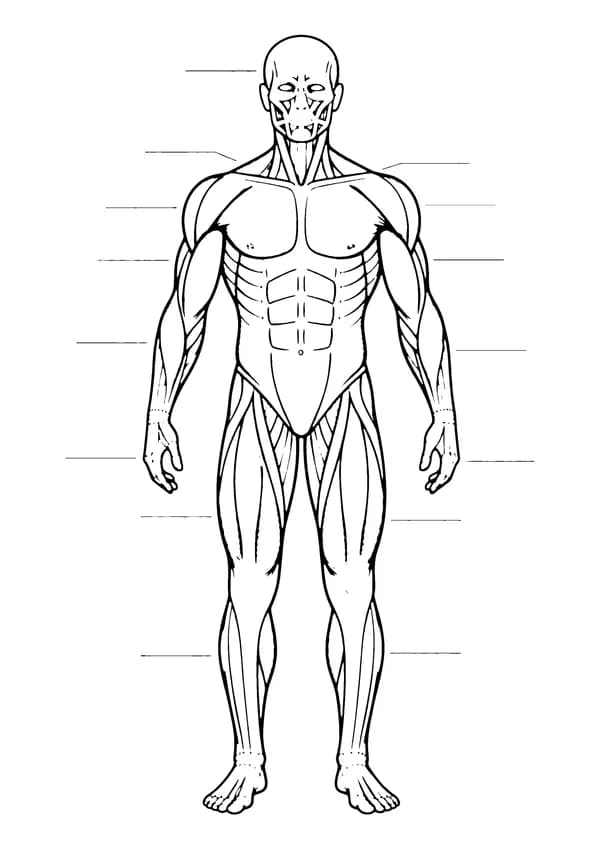
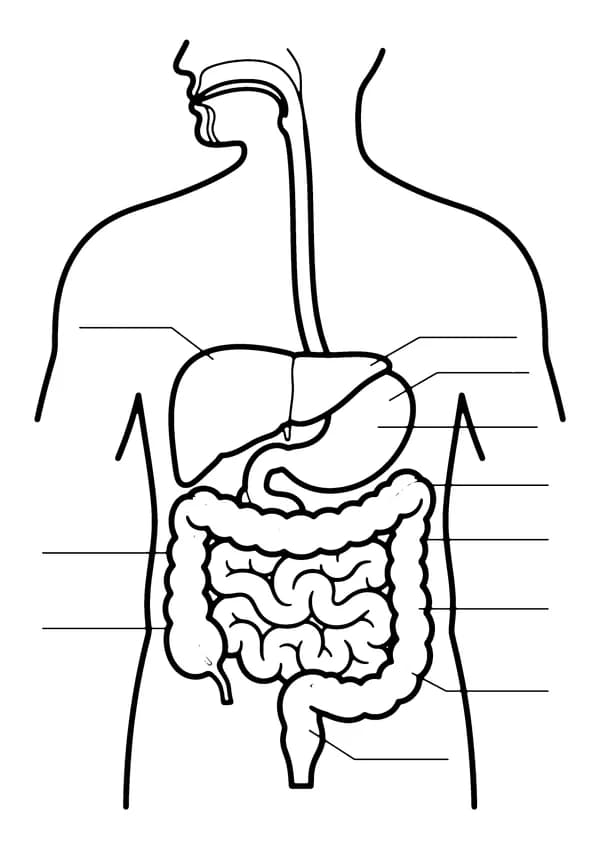
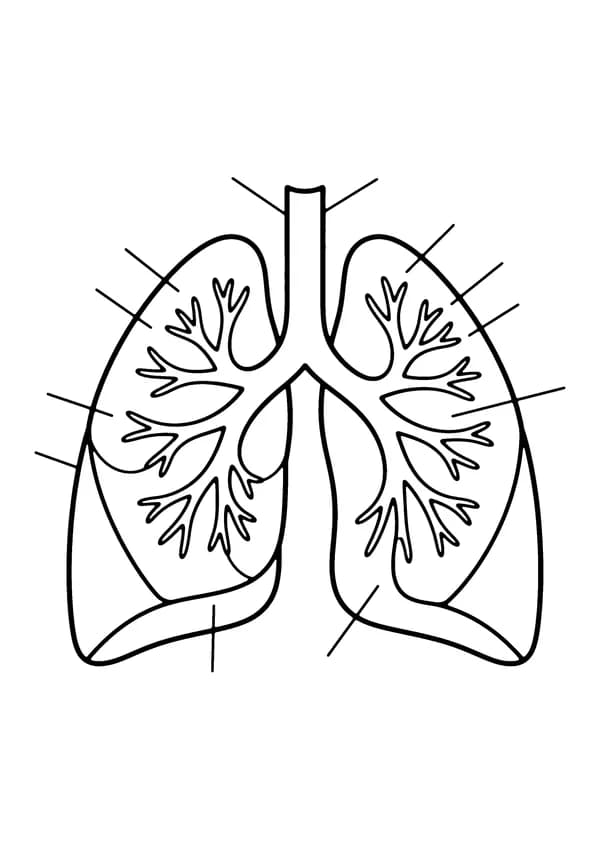
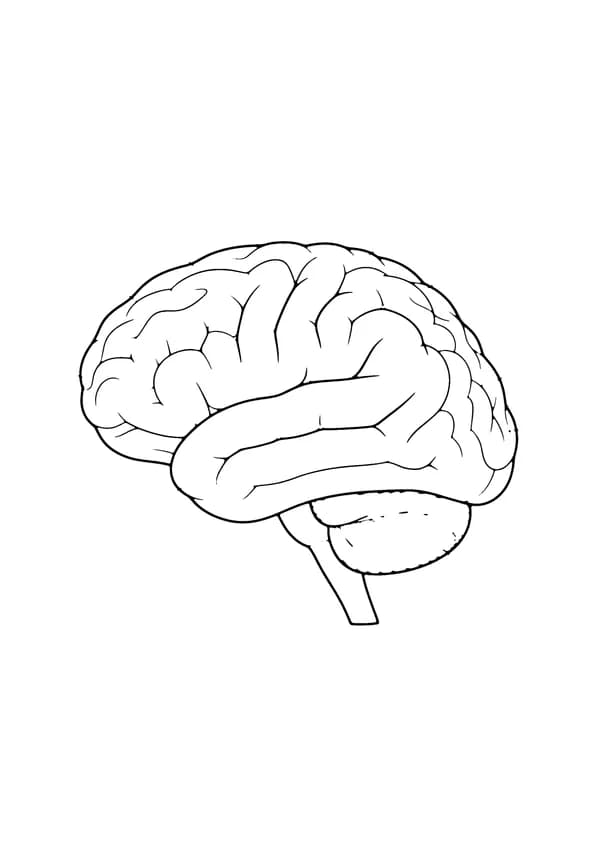
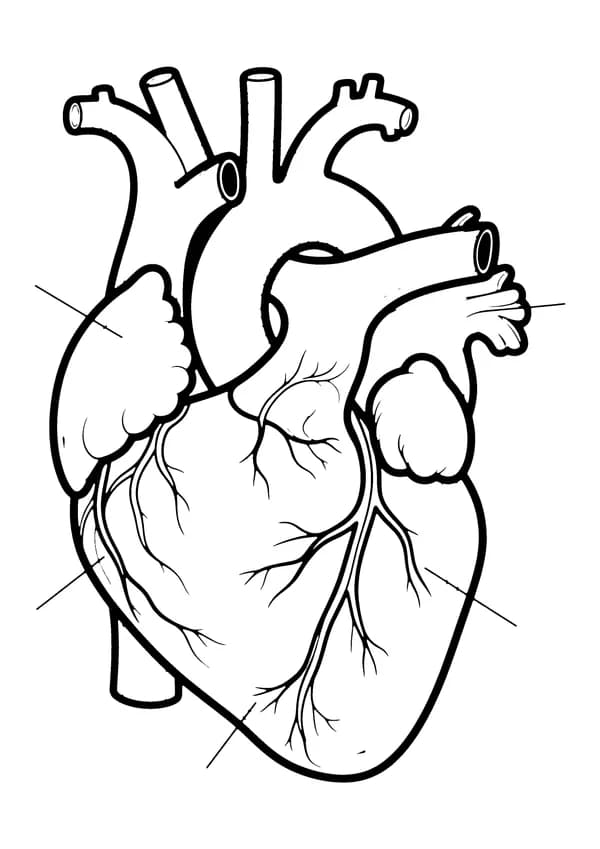
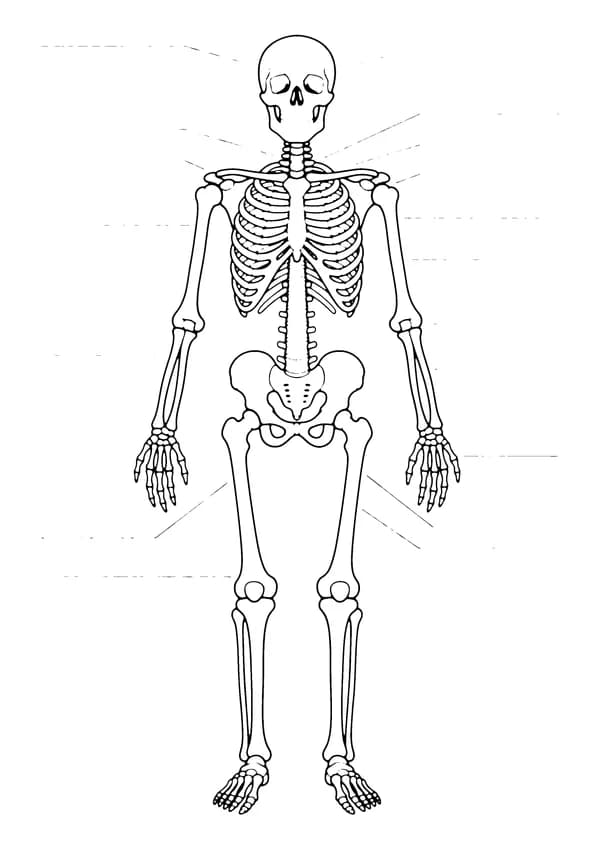
There is no better way to remember how the body works than to color it part by part. Our free anatomy coloring pages cover the systems students meet first: the skeleton with its 206 bones, the heart and its four chambers, the branching lungs, the wrinkled brain, and the long, looping digestive tract. Coloring forces you to slow down and trace each structure, so the names and shapes actually stick — a study trick used in real "coloring workbook" biology courses. Kids discover that the smallest bone hides inside the ear and that the heart is about the size of a fist, while older students can label arteries in red and veins in blue to lock in the difference. The pages range from a friendly cartoon body for little learners to detailed, label-ready diagrams for serious review.

🖨️ How-To Guide: Download & Print Your Anatomy Coloring Pages

  1. Pick your body part or system: Browse the collection and choose the skeleton, heart, brain, or whichever system you're studying.
  2. Click the download button: Each page has a button right below it — one click saves the high-resolution printable to your device.
  3. Open the file: Open it in any standard PDF or image viewer — nothing to install.
  4. Print at home or school: Choose A4 or US Letter paper and turn on "fit to page" for clean scaling.
  5. Color and label: Hand out colored pencils, fill in each structure, and write the part names to make it a study sheet.

🧠 Activity Ideas Using Anatomy Coloring Pages

  • Color-Coded Study Key: Pick one color per system — bones, muscles, blood — and color every page the same way to build a memory-jogging visual key.
  • Label-the-Parts Quiz: Print two copies: color and label one, leave the other blank, then test yourself by filling in the names from memory.
  • Red Arteries, Blue Veins: On the heart and circulatory pages, color oxygen-rich vessels red and oxygen-poor ones blue to lock in how blood flows.
  • Build-a-Body Wall Chart: Color the skeleton, muscles, and organ pages, then layer or pin them up to see how the body fits together system by system.
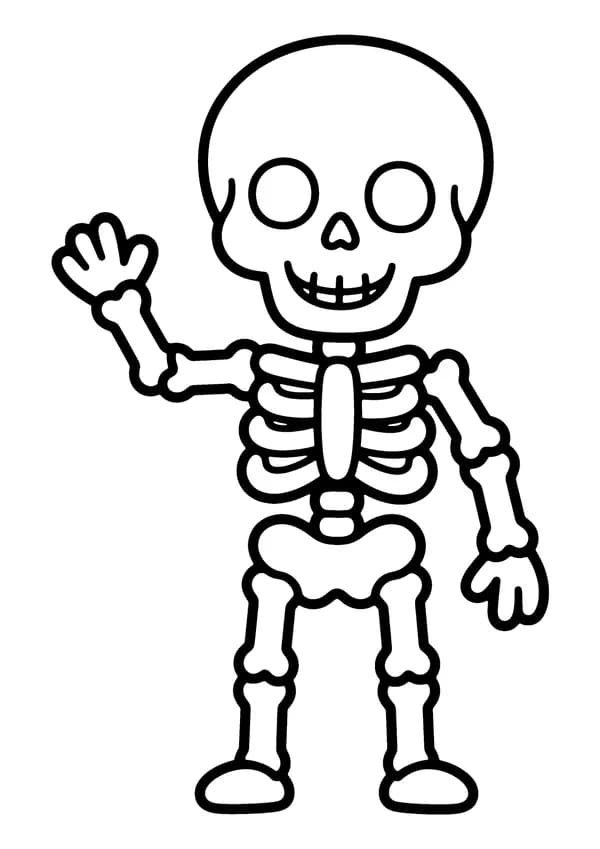
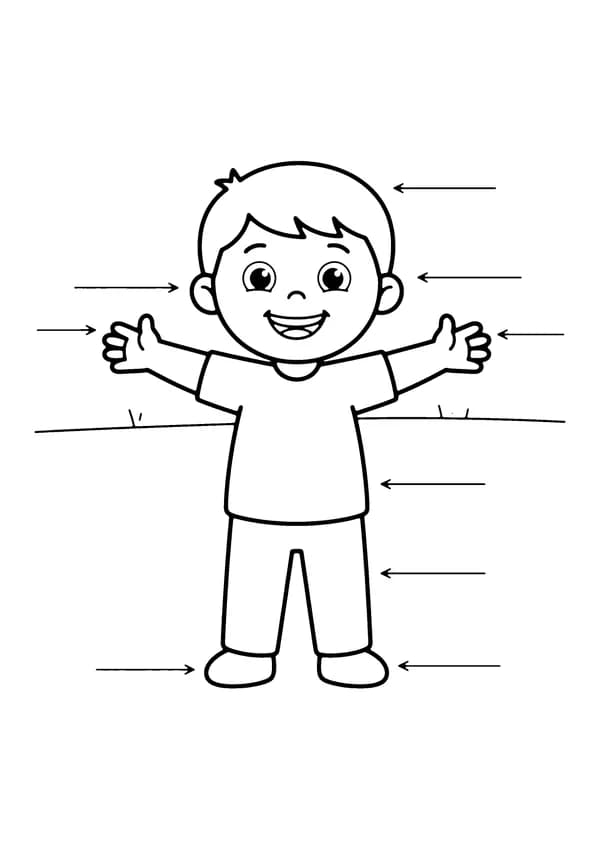
  • Doctor's Office Pretend Play: Let younger kids color a friendly cartoon body and use it as a "patient chart" for imaginative doctor and nurse play.

📝 Printable Tips for the Best Coloring Experience

  • Use colored pencils, not markers for anatomy — they give you the control to color tiny bones and vessels without bleeding.
  • Keep a consistent color key (bones beige, muscles red, nerves yellow) so every sheet reinforces the same learning.
  • Print on heavier paper (32 lb. or cardstock) so detailed diagrams stay crisp and survive being studied again and again.
  • Write the labels as you color to turn each page into a permanent, personalized study guide.
  • Save your colored pages in a binder to build a complete human-body coloring atlas over the term.

Frequently asked questions

What ages are these anatomy coloring pages for?
They span a wide range. Young kids enjoy the friendly cartoon body and simple organ pages, while students from upper grade school through college use the detailed, label-ready diagrams to study.
Are the anatomy coloring pages free?
Yes — every anatomy coloring page on Scribbloo is free to download and print, with no sign-up required.
Which body systems are in this collection?
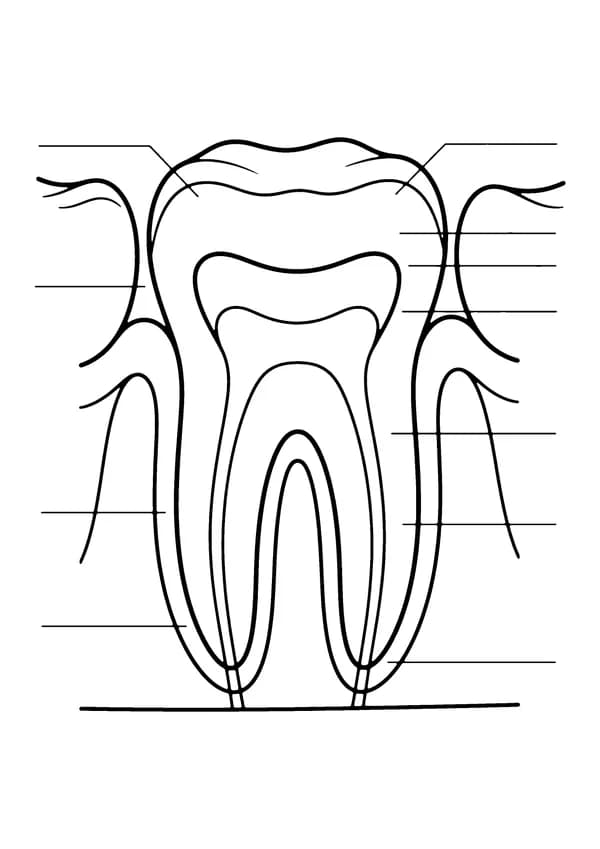
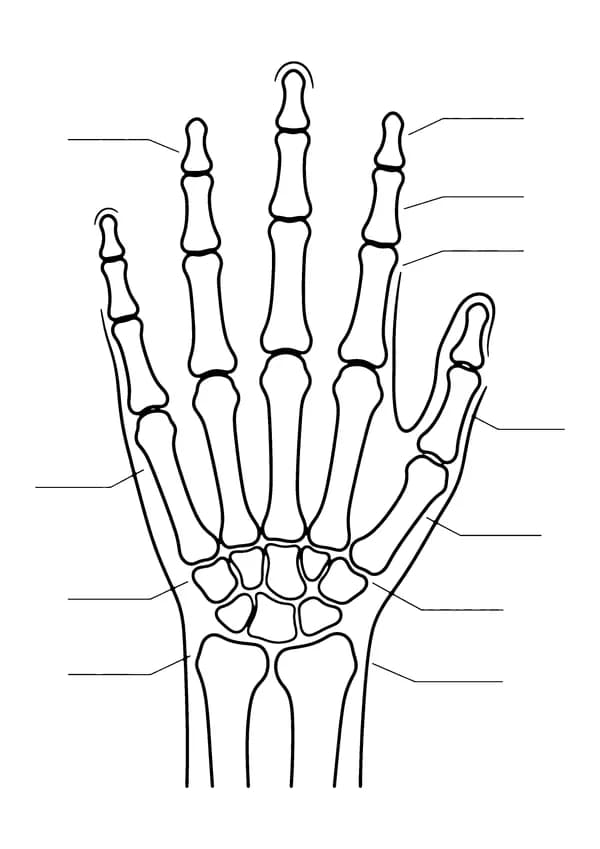
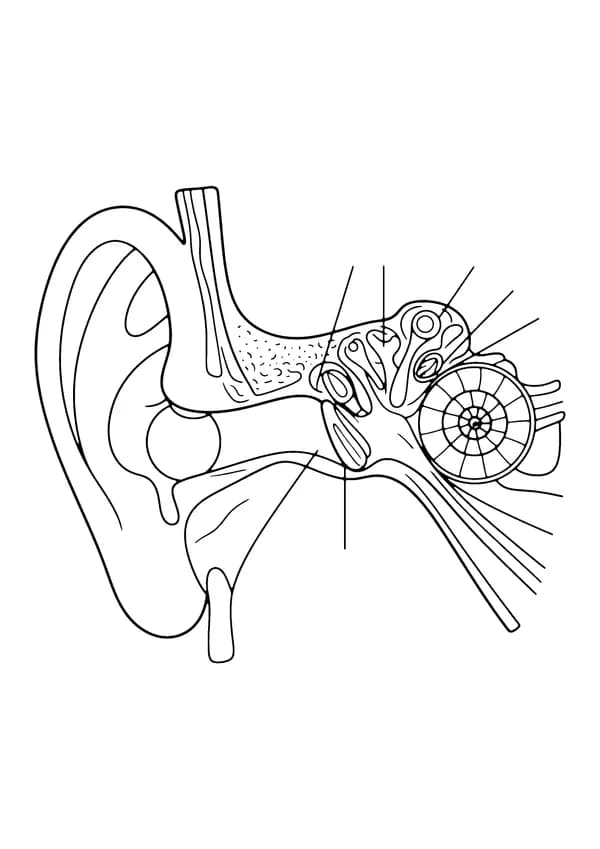
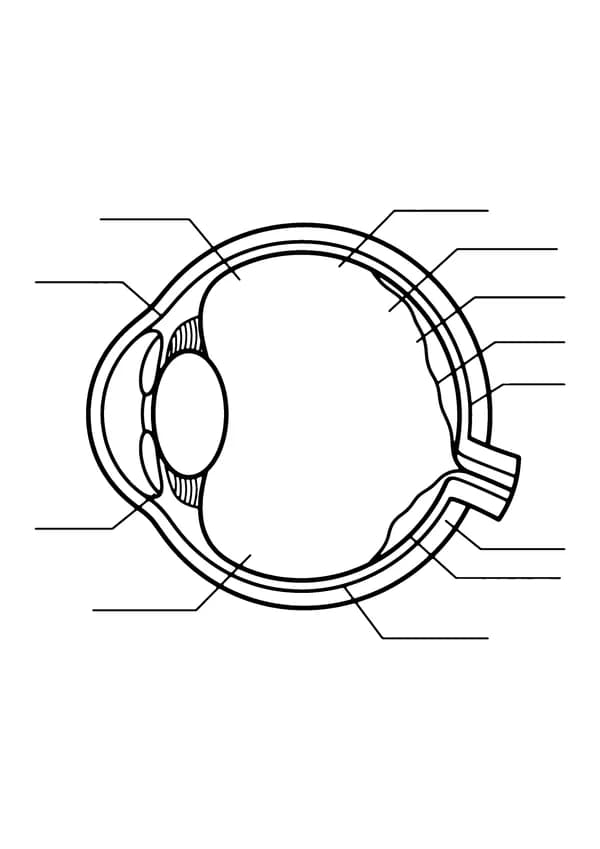
You'll find the skeleton, heart and circulatory system, brain, lungs, digestive system, muscles, the eye, the ear, the hand, teeth, and a full cartoon body — covering the parts students meet first.
How do I print the coloring pages?
Click the download button under any page, open the file, and print on A4 or US Letter paper. Use your printer's "fit to page" setting for the best results.
Can I use these in a classroom or for homeschool?
Absolutely. They're ideal for biology and health units, homeschool science, and study groups — teachers and parents may print as many copies as needed.
Are these good for nursing or med students?
Yes. Coloring and labeling diagrams of the heart, skeleton, and muscles is a proven way to memorize structures, and the detailed pages are built for exactly that kind of review.
Do the pages include labels?
The detailed diagrams leave room to write part names yourself, which is the most effective way to learn. You can label as you color or quiz yourself on a blank copy.
Can coloring really help me learn anatomy?
It can. Tracing and coloring each structure makes you slow down and notice its shape and place, and adding the labels reinforces the names — a study method used in real biology coloring workbooks.