Scribbloo

Cow Coloring Pages

12 free printable pages · print at home or color online
12 pages

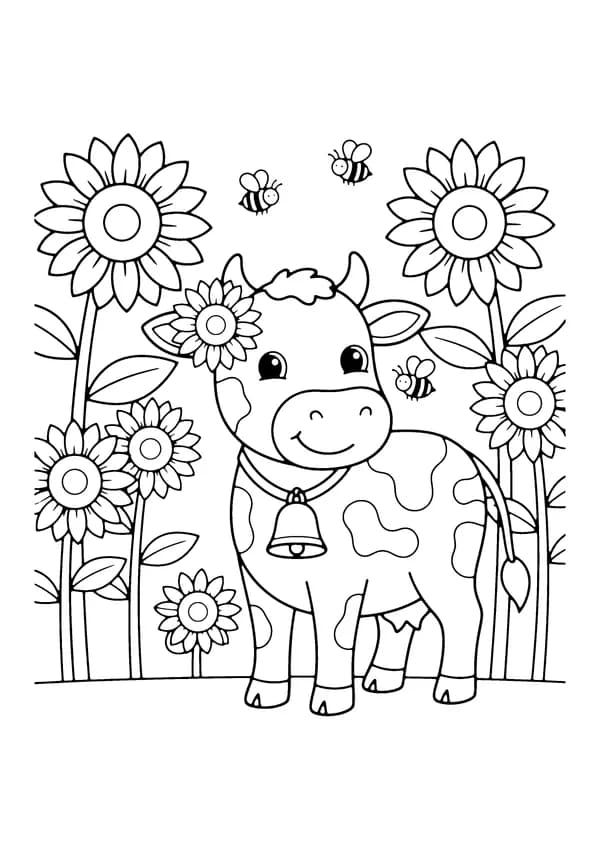
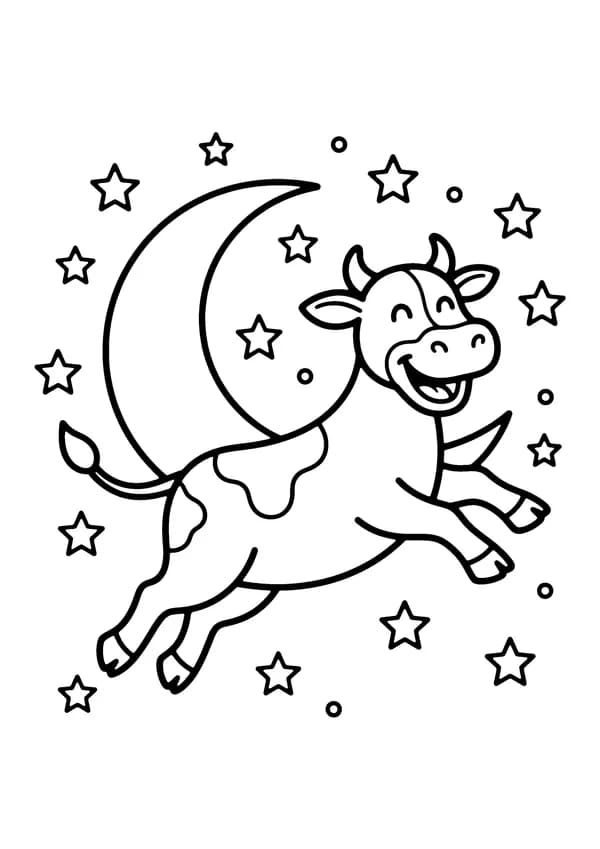
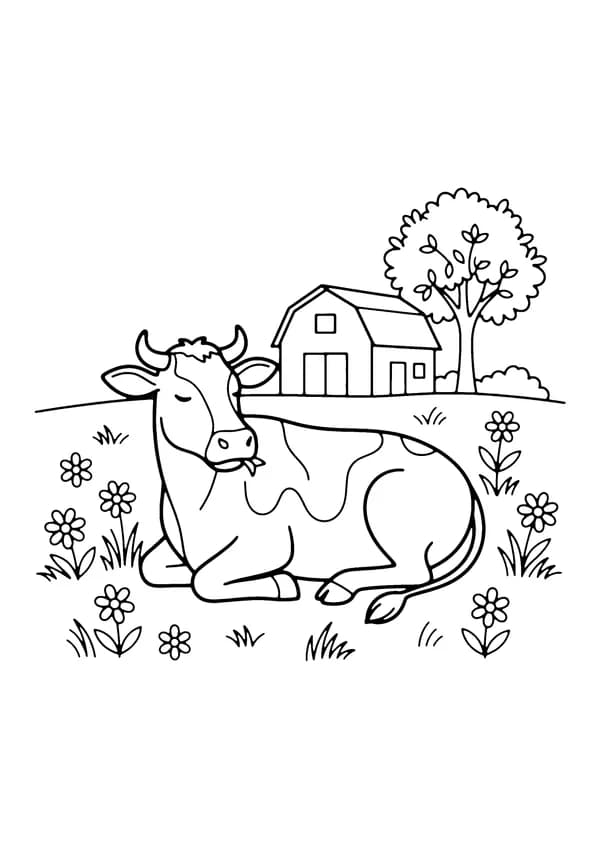
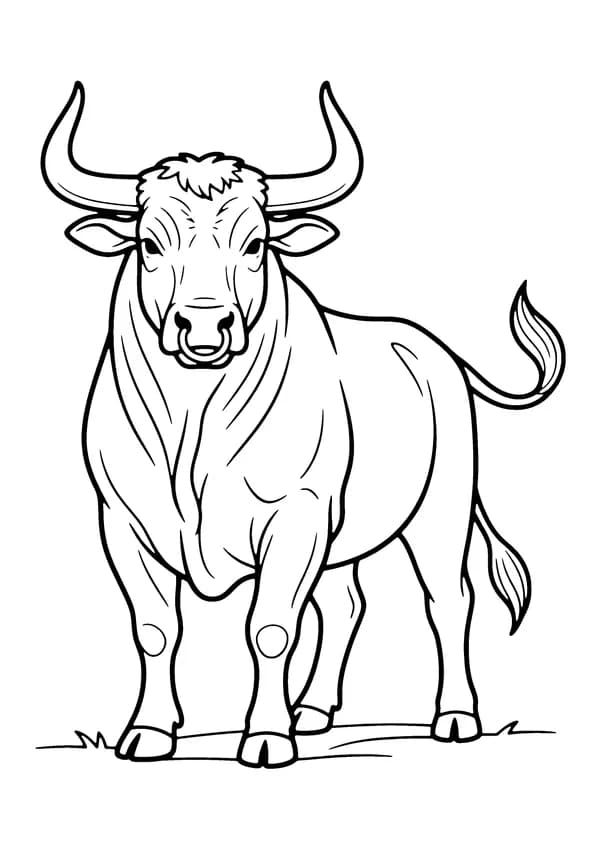
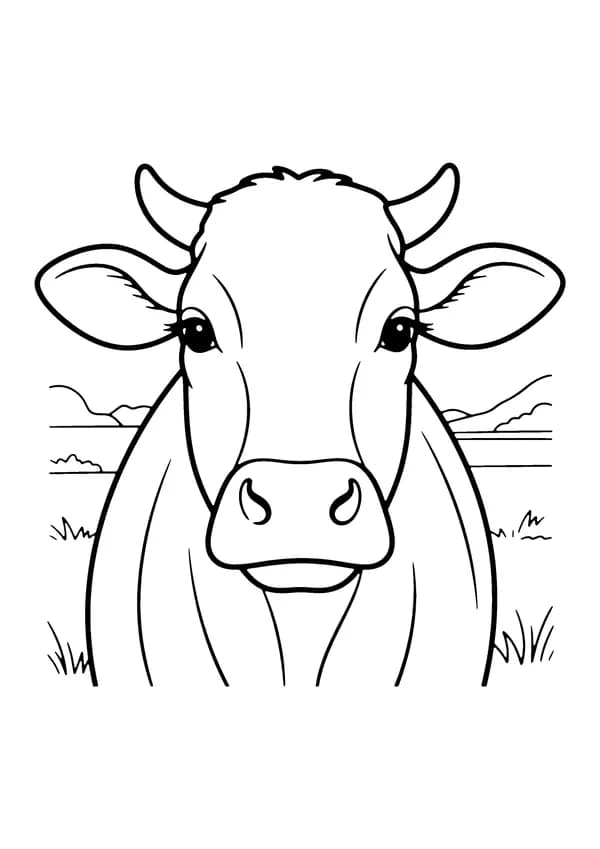
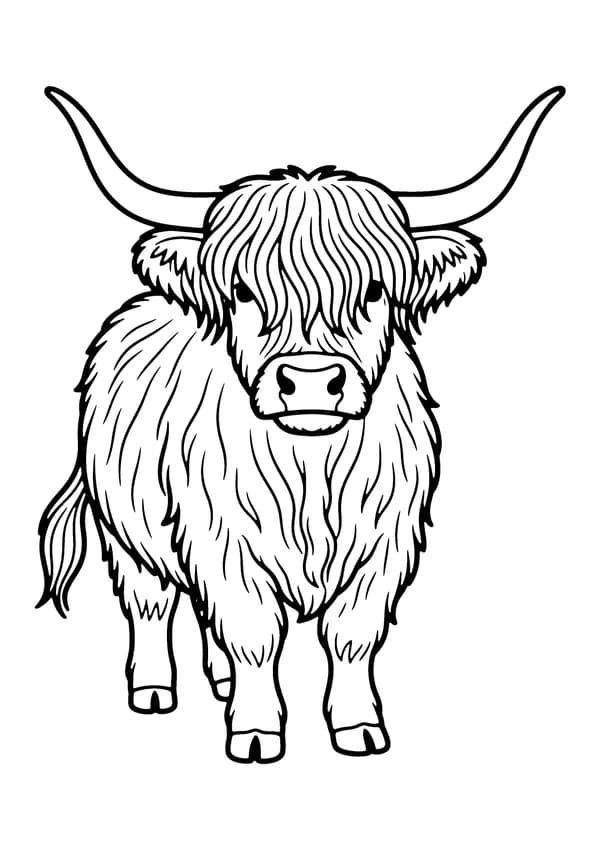
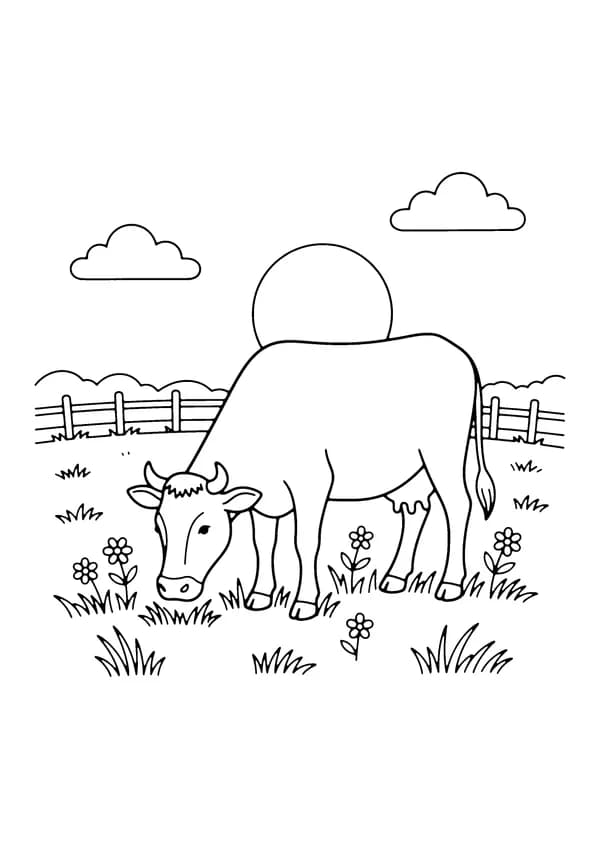
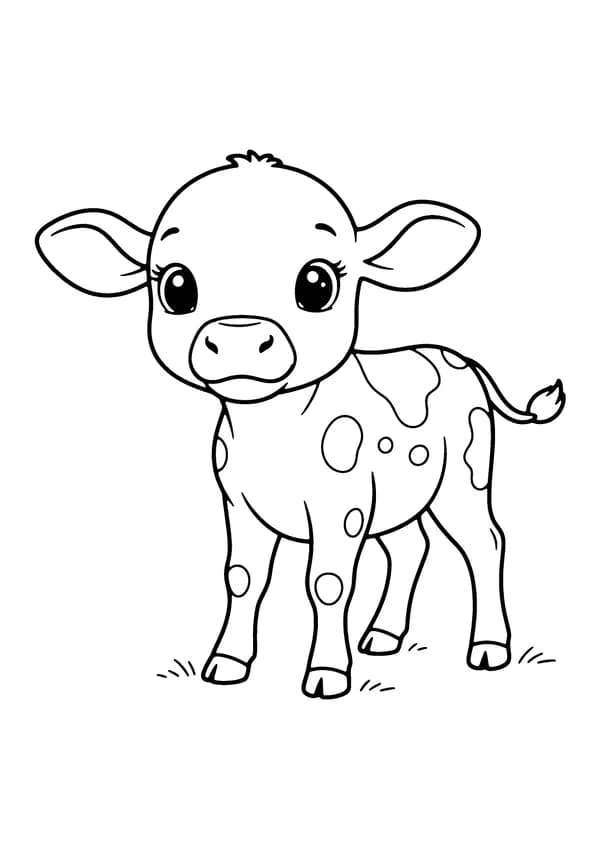
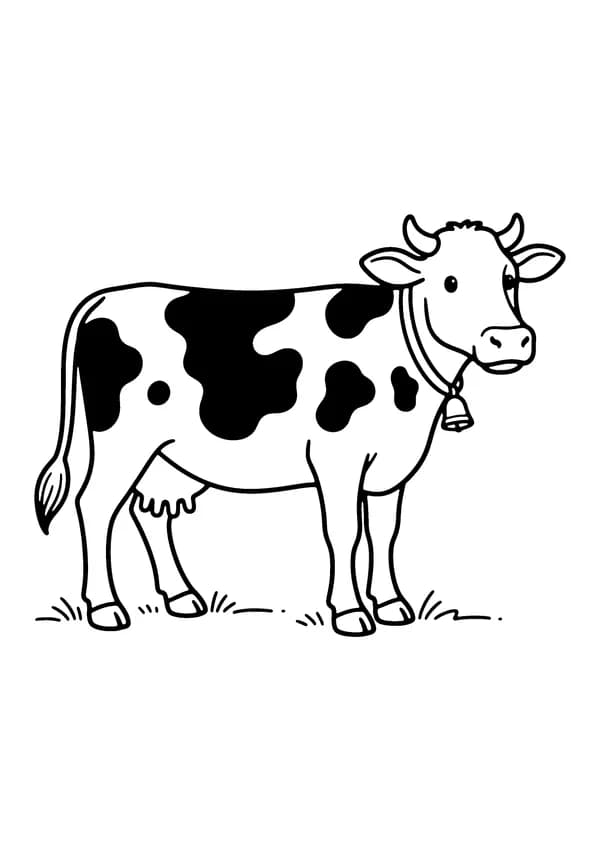
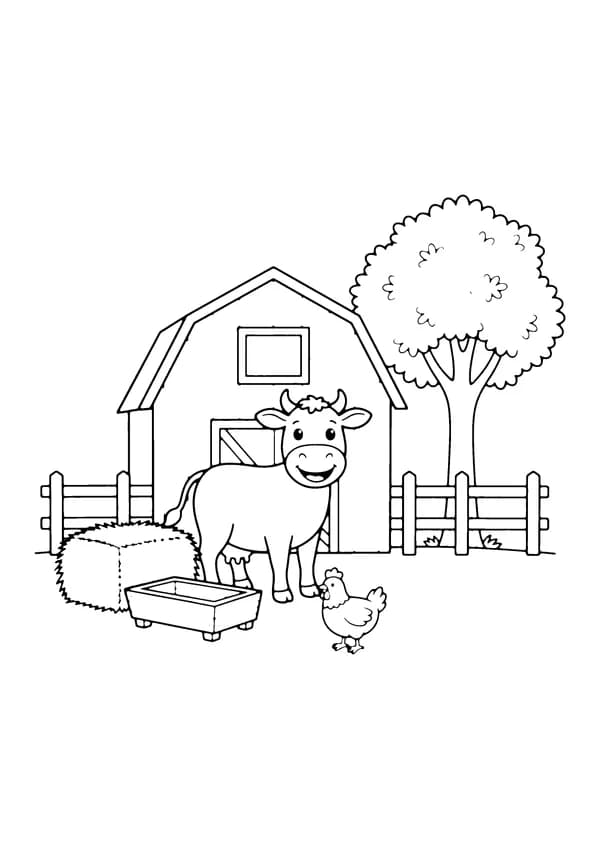
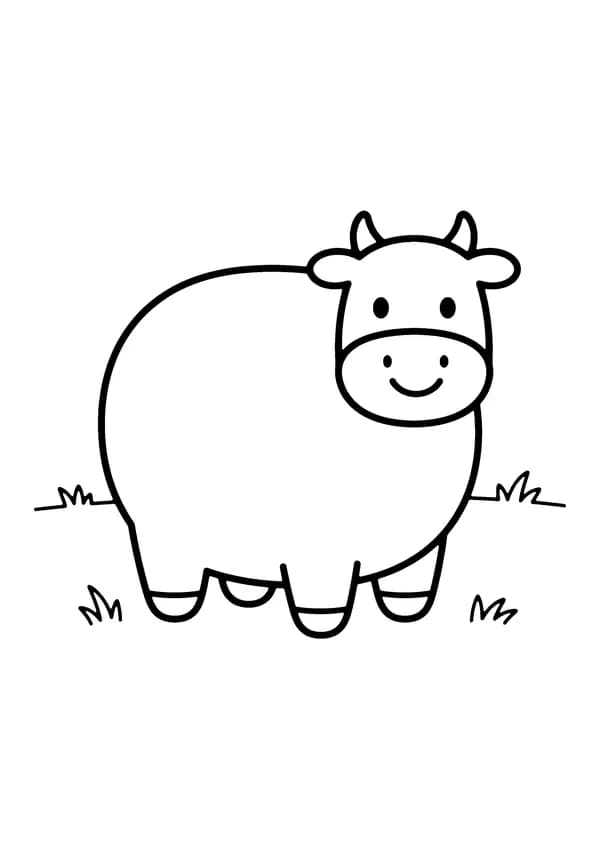
Cows are one of the first farm animals little ones learn to recognize — that big friendly face, the gentle "moo," and those splotchy black-and-white spots make them a favorite to color. Our free cow coloring pages feature the whole herd: classic spotted dairy cows, sweet long-lashed calves, fuzzy highland cows with hair over their eyes, sturdy bulls, and peaceful pasture scenes. As kids color, they discover real facts — cows have a stomach with four compartments, spend much of the day chewing their cud, and each one has a spot pattern as unique as a fingerprint. The pages range from chunky, simple shapes for tiny hands to busier barnyard scenes for older kids who want more to fill in. Print as many as you like — they're free, need no sign-up, and are ready the moment you are.

🖨️ How-To Guide: Download & Print Your Cow Coloring Pages

  1. Pick your cows: Scroll the collection and choose your favorites — grab a few for variety.
  2. Click the download button: Each page has a button right below it — one click saves the high-resolution printable to your device.
  3. Open the file: Open it in any standard PDF or image viewer — nothing to install.
  4. Print at home or school: Choose A4 or US Letter paper and turn on "fit to page" for clean scaling.
  5. Start coloring: Hand out the crayons, markers, or colored pencils and let the mooing begin!

🐮 Activity Ideas Using Cow Coloring Pages

  • Design Your Own Spots: Hand kids a plain cow and let them invent a one-of-a-kind spot pattern — a reminder that no two real cows look exactly alike.
  • Farm Animal Match: Color the cow alongside other farm friends and match each animal to the sound it makes — moo, baa, oink, and cluck.
  • Milk-to-Table Talk: After coloring a dairy cow, trace where milk comes from: cow, to bottle, to cereal bowl — a tasty little science lesson.
  • Barnyard Mural: Color several pages, cut them out, and glue them onto a big sheet to build one busy farm with a barn, fence, and pasture.
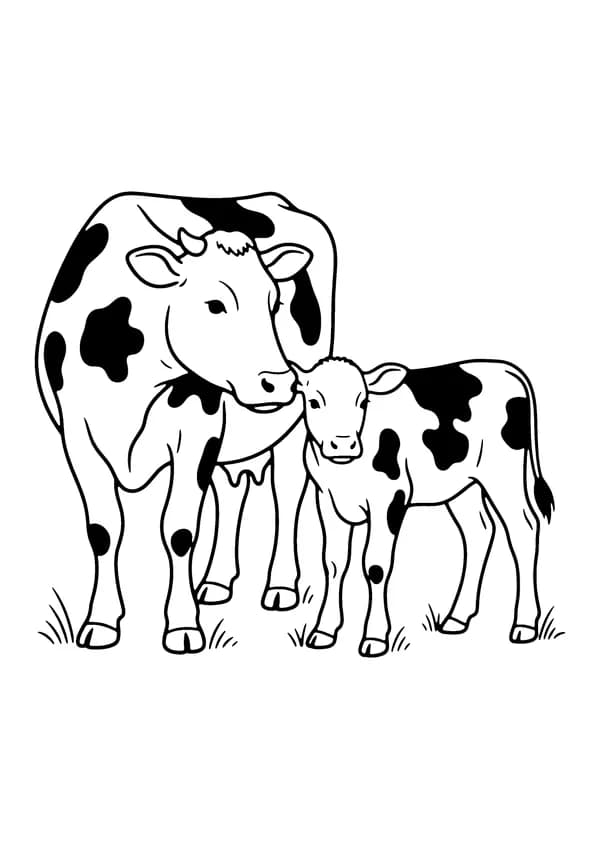
  • Name the Calf: Let your child name the baby calf they just colored and make up a short story about its first day in the meadow.

📝 Printable Tips for the Best Coloring Experience

  • Use heavier paper (32 lb. or cardstock) for bold cow outlines with no bleed-through.
  • Black-and-white spots, brown, or tan all suit cows — but encourage rainbow herds too; coloring has no wrong answers!
  • Color the body first then go back for spots, the face, and the bell so small details stay neat.
  • Print a few copies so kids can try the same cow in different patterns and colors.
  • Save favorites in a folder to build a personal farm-animal coloring book over time.

Frequently asked questions

What ages are these cow coloring pages for?
They work for ages 2 to 12. Toddlers and preschoolers love the simple, chunky cows, while older kids enjoy the more detailed highland cows and pasture scenes.
Are the cow coloring pages free?
Yes — every cow coloring page on Scribbloo is free to download and print, with no sign-up required.
Which cows are in this collection?
Spotted dairy cows like the classic Holstein, a cute baby calf, a shaggy highland cow, a sturdy bull, a grazing cow in the pasture, a close-up cow face, and friendly mother-and-calf scenes.
How do I print the coloring pages?
Click the download button under any cow, open the file, and print on A4 or US Letter paper. Use your printer's "fit to page" setting for the best results.
Can I use these in a classroom or daycare?
Absolutely. They're great for farm-animal units and indoor activity time — teachers and caregivers are welcome to print as many copies as they need.
What colors should a cow be?
However you like! Black-and-white spots, brown, and tan are realistic, but a purple or rainbow cow is just as fun — imaginative coloring is always correct.
Do you have easy cows for toddlers?
Yes. Several pages use big, simple shapes with thick outlines that are easy for little hands to color inside.
Can coloring cows help kids learn?
It can. Talking about where milk comes from, naming farm animals, and noticing that every cow's spots are unique turns coloring time into a gentle introduction to farm life.