Scribbloo

Mushroom Coloring Pages

12 free printable pages · print at home or color online
12 pages

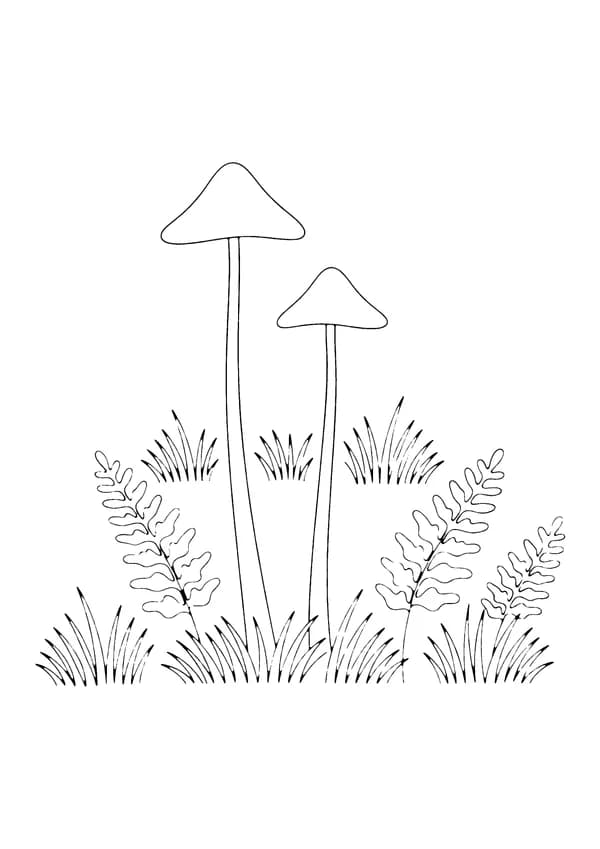
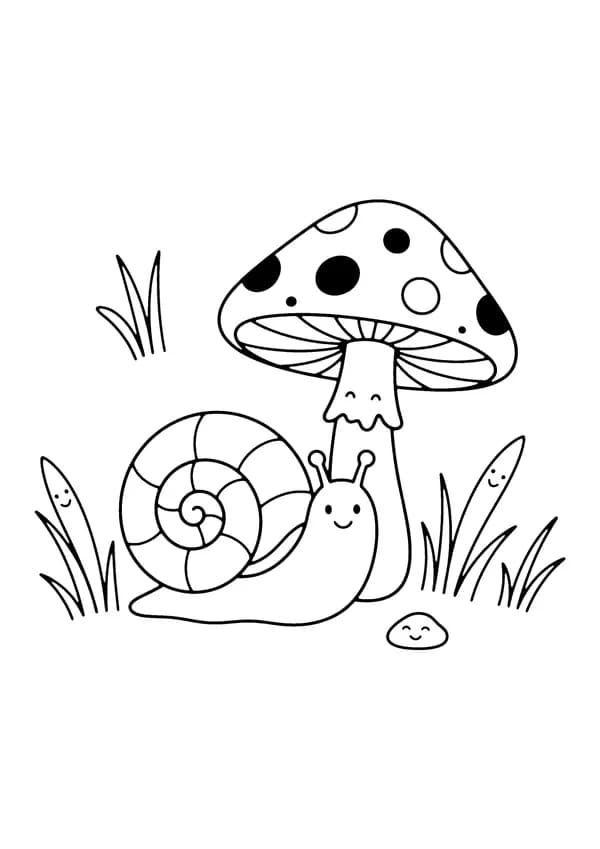
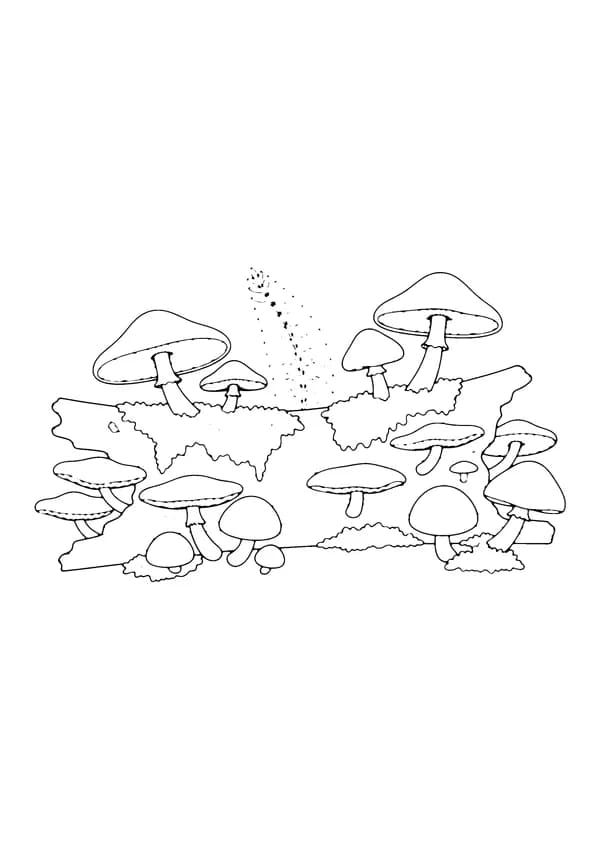
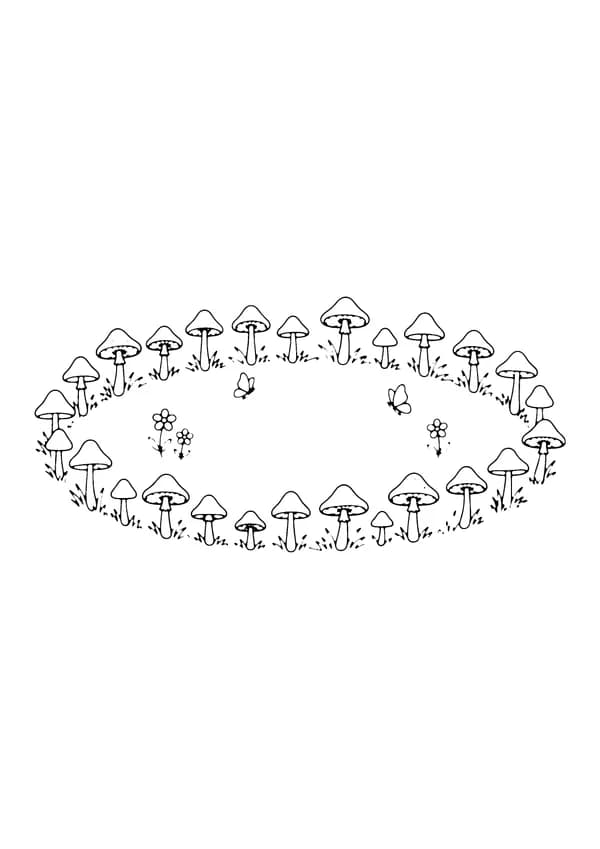
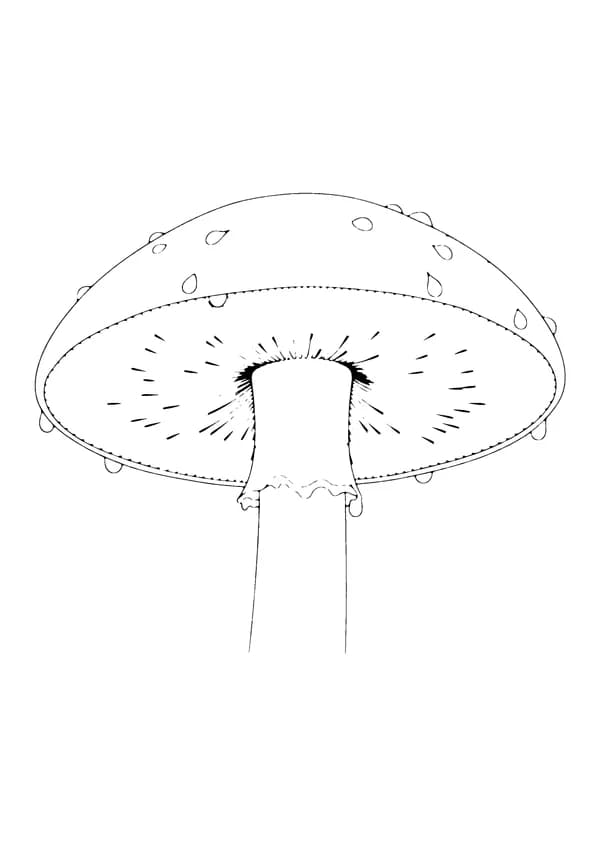
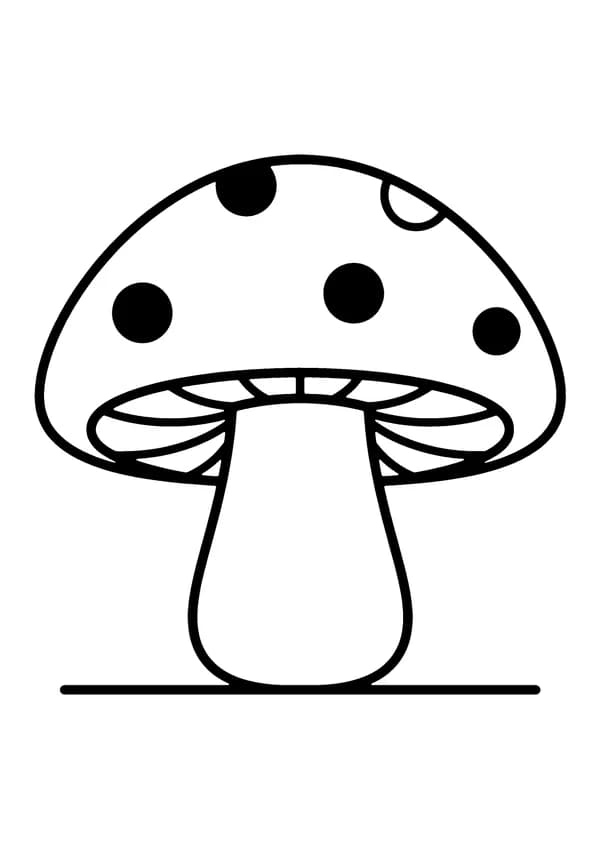
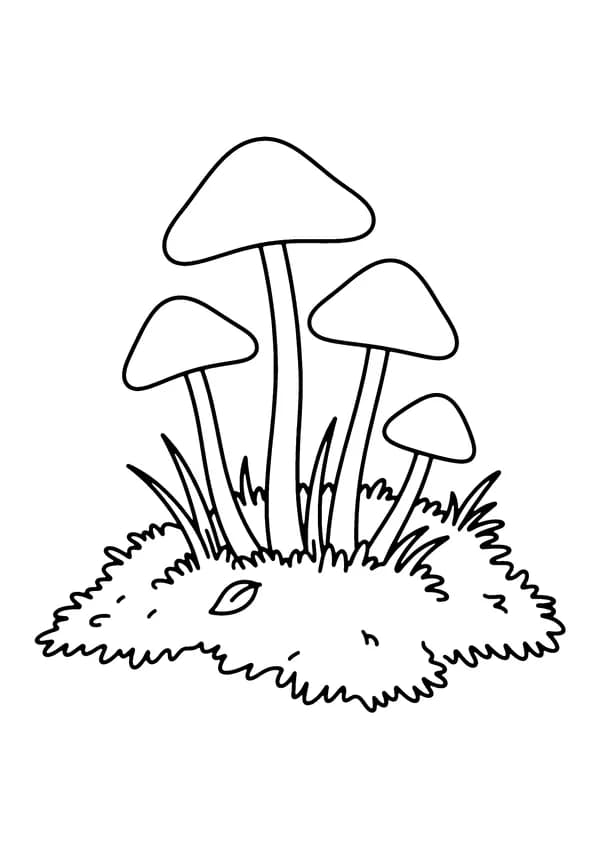
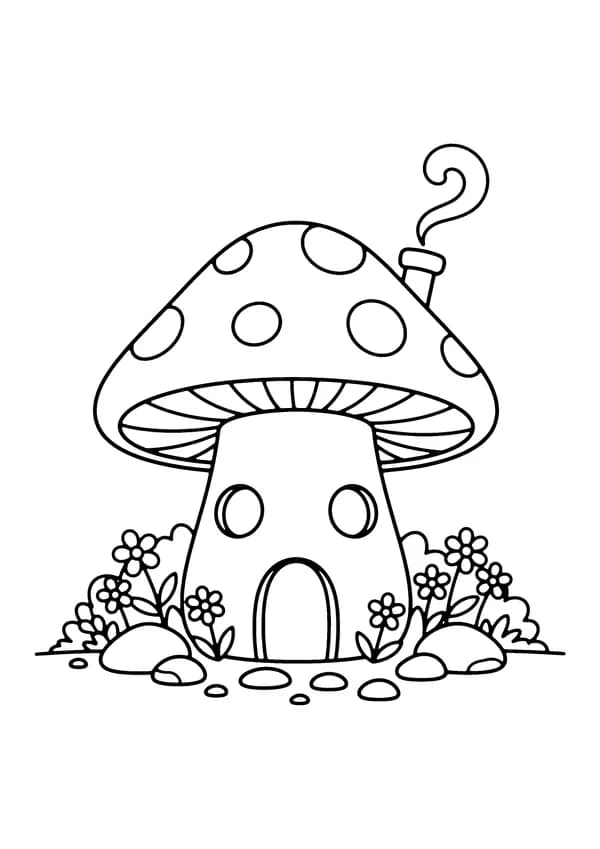
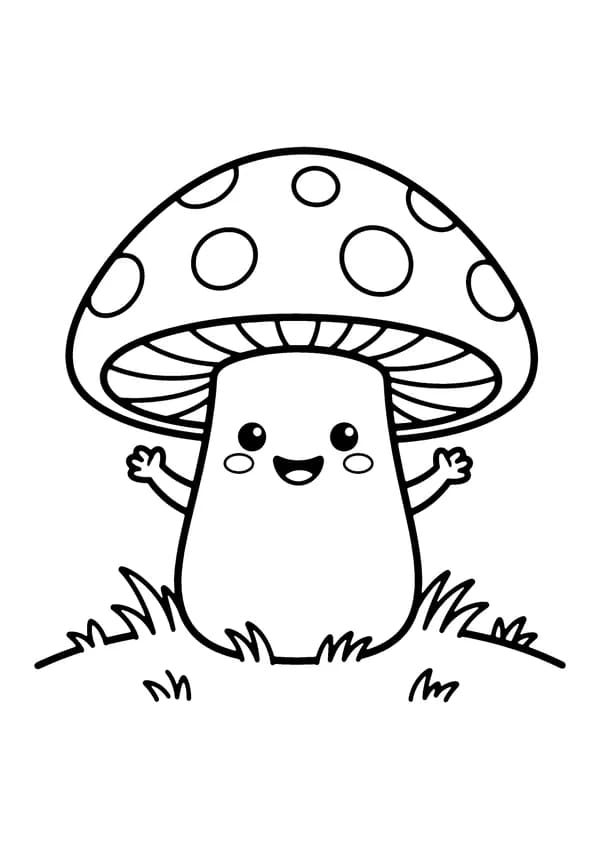
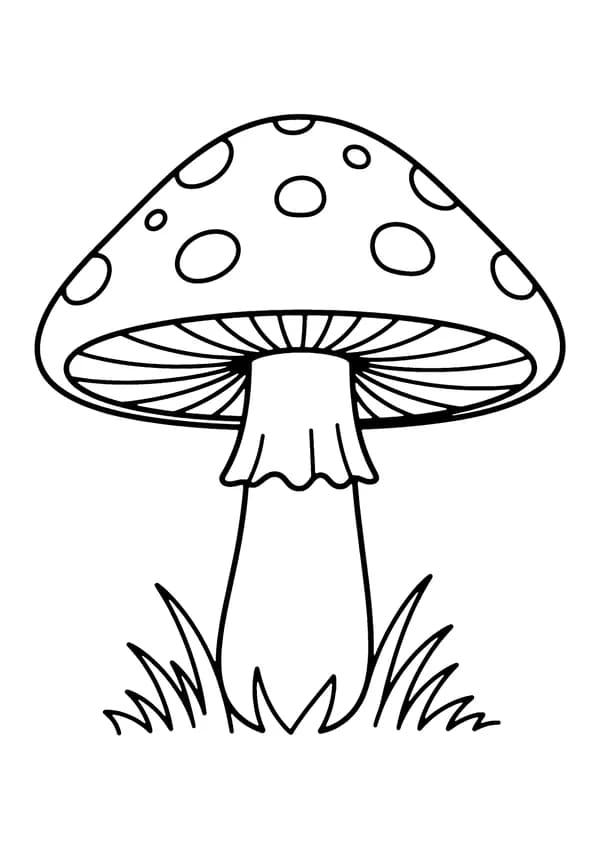
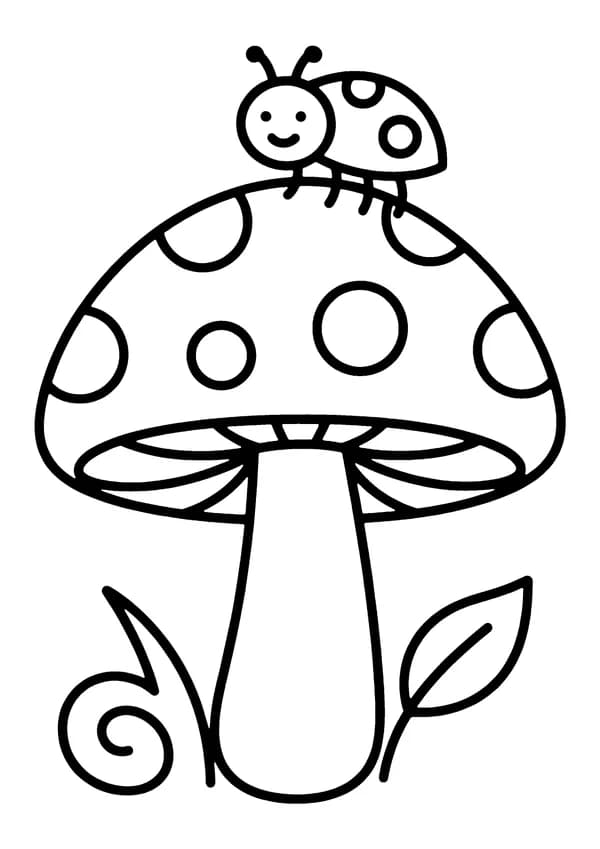
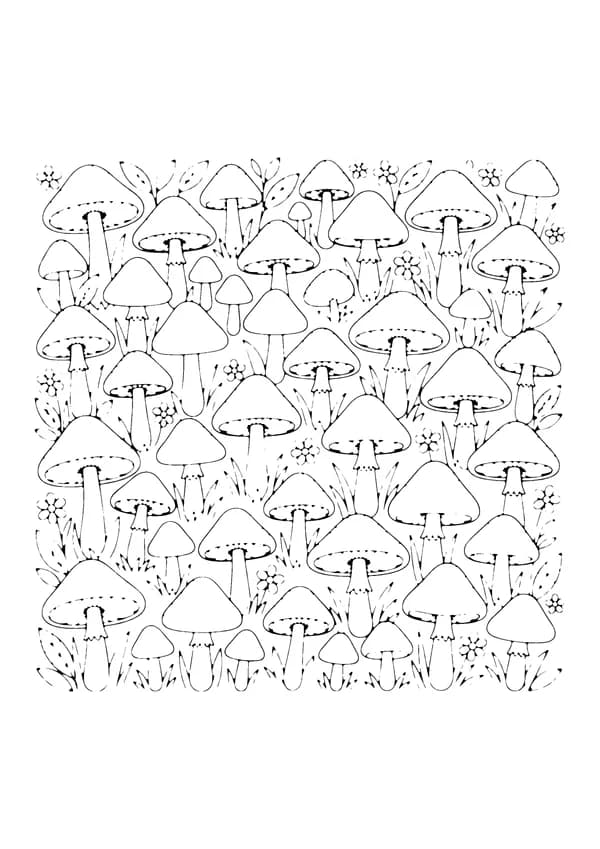
Mushrooms are tiny works of natural art, which makes them a perfect subject to color. Our free mushroom coloring pages capture the shapes everyone loves: the iconic red-and-white spotted toadstool (the fly agaric), tall slender woodland fungi, clusters sprouting from a mossy log, and storybook mushroom houses tucked into the forest. As kids color, they learn that mushrooms are not plants but fungi, that the cap, stem, and gills are real parts to spot, and that some grow in cozy rings called "fairy rings." The pages range from big, chunky single mushrooms for little hands to busy woodland scenes packed with detail for older kids and adults who love mindful coloring. Print as many as you like — they're free, need no sign-up, and are ready when you are.

🖨️ How-To Guide: Download & Print Your Mushroom Coloring Pages

  1. Pick your mushrooms: Scroll the collection and choose your favorites — grab a few for variety.
  2. Click the download button: Each page has a button right below it — one click saves the high-resolution printable to your device.
  3. Open the file: Open it in any standard PDF or image viewer — nothing to install.
  4. Print at home or school: Choose A4 or US Letter paper and turn on "fit to page" for clean scaling.
  5. Start coloring: Hand out the crayons, markers, or colored pencils and start coloring!

🍄 Activity Ideas Using Mushroom Coloring Pages

  • Parts of a Mushroom: After coloring, label the cap, stem, and gills together — a hands-on way to learn how fungi are built.
  • Woodland Party Decor: Print a stack for a fairy or forest-themed birthday and set up a coloring station beside the snacks.
  • Real vs. Make-Believe: Talk about which mushrooms are real (like the spotted fly agaric) and which are storybook, and why we never touch wild ones.
  • Forest Floor Mural: Color several pages, cut them out, and glue them onto a big sheet to build one giant mossy woodland scene.
  • Mindful Coloring Break: Hand the detailed mushroom scenes to older kids or adults for a calming, screen-free moment with quiet music.

📝 Printable Tips for the Best Coloring Experience

  • Use heavier paper (32 lb. or cardstock) for crisp mushroom outlines with no bleed-through.
  • Reds, browns, and creamy whites suit classic toadstools — but try bright fantasy colors for storybook mushrooms too.
  • Color the big cap first then go back for spots, gills, and grass so small details stay neat.
  • Print a few copies so kids can try the same mushroom in different color schemes.
  • Save favorites in a folder to build a personal woodland coloring book over time.

Frequently asked questions

What ages are these mushroom coloring pages for?
They work for ages 2 to adult. Toddlers and preschoolers love the simple, chunky mushrooms, while older kids and grown-ups enjoy the detailed woodland scenes.
Are the mushroom coloring pages free?
Yes — every mushroom coloring page on Scribbloo is free to download and print, with no sign-up required.
What kinds of mushrooms are in this collection?
Classic spotted toadstools, tall woodland fungi, clusters on a log, a cozy mushroom house, cute cartoon mushrooms with faces, a fairy ring, and detailed scenes for older colorists.
How do I print the coloring pages?
Click the download button under any mushroom, open the file, and print on A4 or US Letter paper. Use your printer's "fit to page" setting for the best results.
Can I use these in a classroom or daycare?
Absolutely. They're great for nature units, fall crafts, and indoor activity time — teachers and caregivers are welcome to print as many copies as they need.
What colors should mushrooms be?
However you like! The famous fly agaric is red with white spots, and many forest mushrooms are brown or tan, but storybook mushrooms can be any bright, imaginative color.
Do you have easy mushrooms for toddlers?
Yes. Several pages use big, simple shapes with thick outlines that are easy for little hands to color inside.
Can coloring mushrooms help kids learn?
It can. Naming the cap, stem, and gills, spotting fairy rings, and learning that mushrooms are fungi (not plants) turns coloring time into a gentle nature lesson.